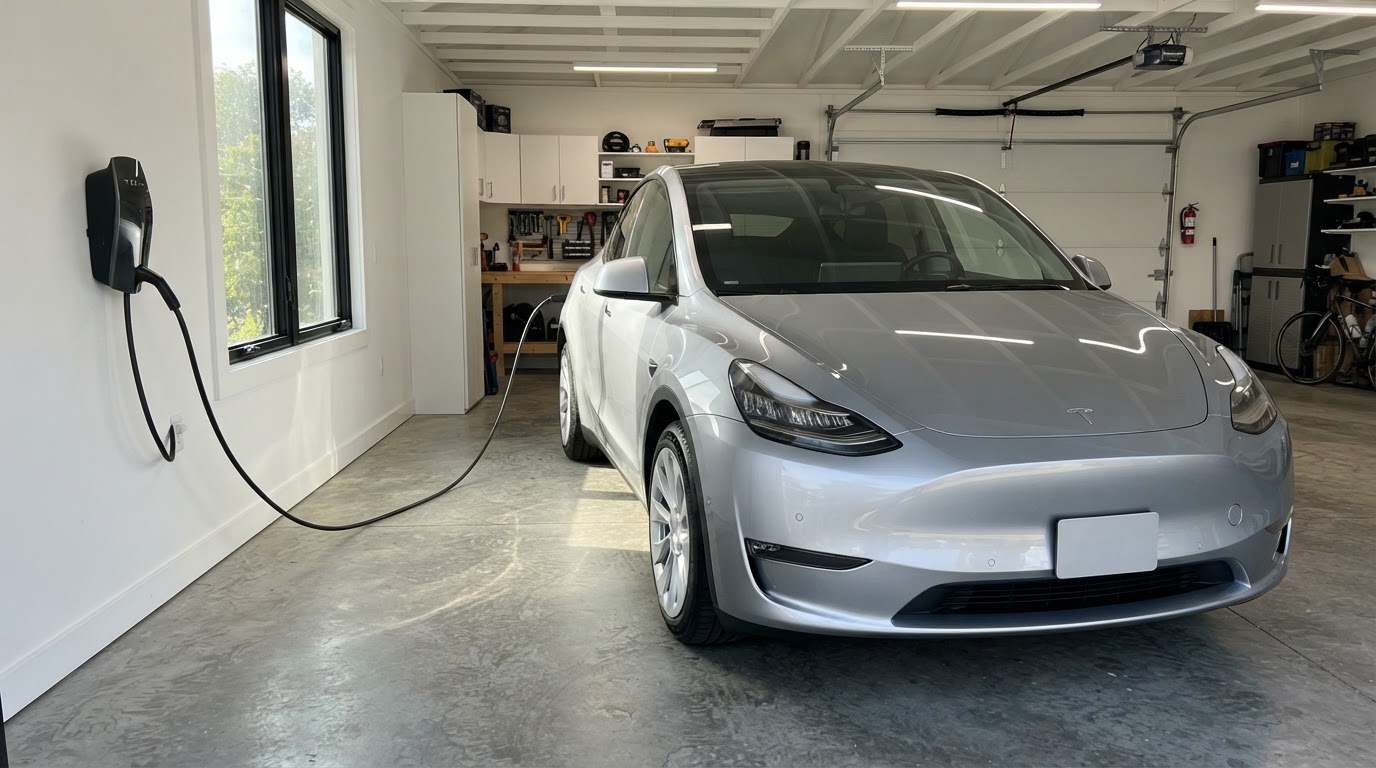
Professional Home EV Charger Installation in Dallas, TX
Make everyday EV charging more convenient with a home charging setup designed around your vehicle, garage, and electrical system. Explore residential EV charging installation options in Dallas.
A More Convenient Way to Charge Your Electric Vehicle
Charging at home turns EV ownership into a simpler daily habit. Instead of planning trips around public chargers, you can replenish your vehicle where it already parks overnight — in your garage or driveway.
The right setup depends on understanding the difference between Level 1 and Level 2 charging, choosing a charger compatible with your vehicle, evaluating your home's electrical capacity, and planning around your garage and parking arrangement. Every home and every installation is a little different.
Overnight charging
Charger compatibility
Panel capacity
Garage & driveway
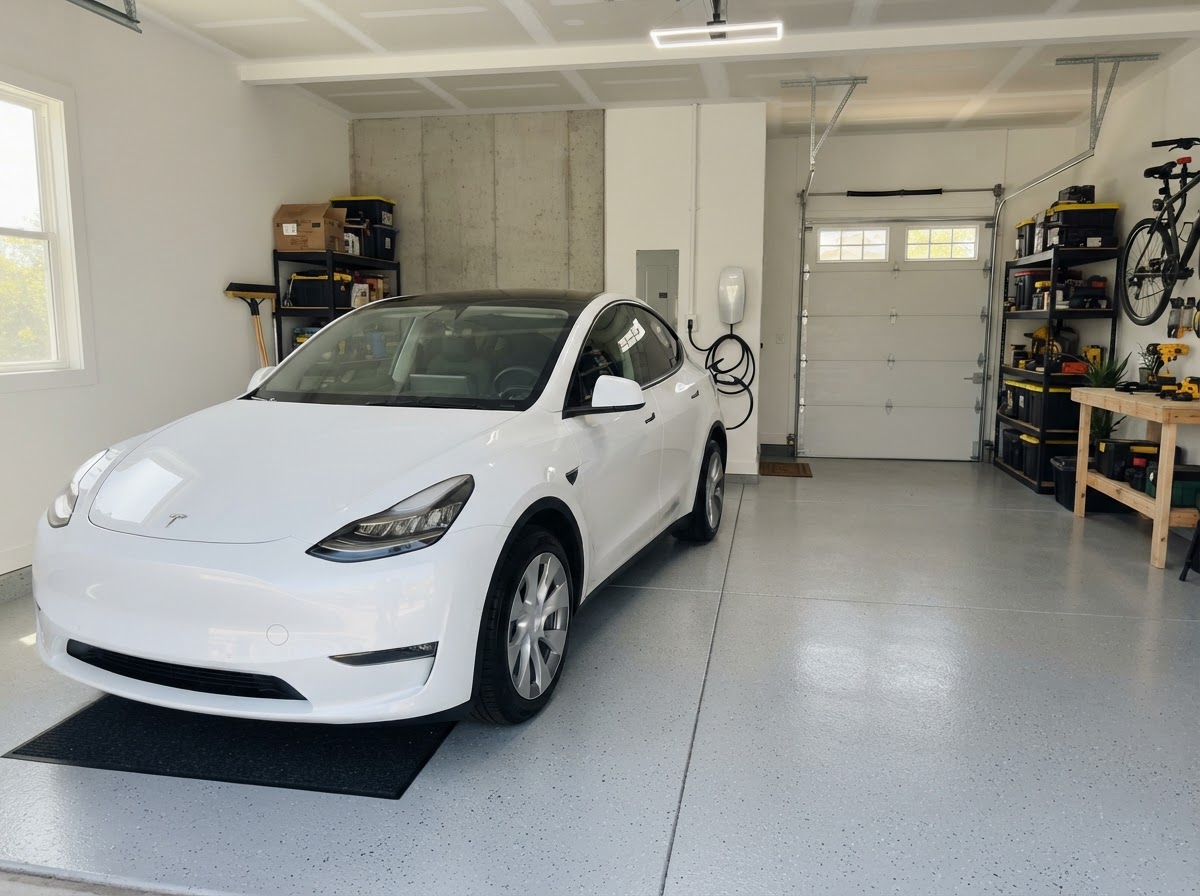
Our EV Charging Services
Residential charging services for Dallas-area homes, from a first consultation to a dedicated circuit and a wall-mounted charger.
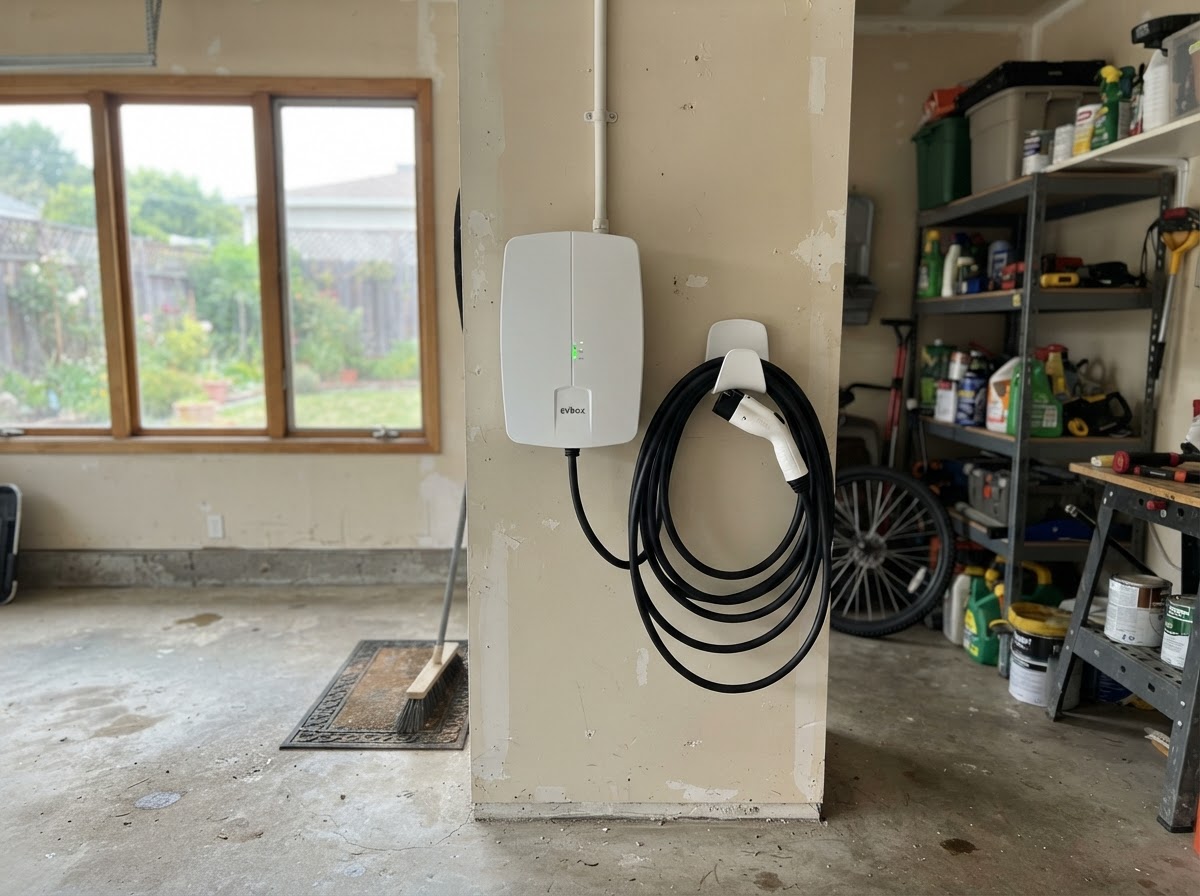
Home EV Charger Installation
A wall-mounted charger set up for your vehicle and garage.
Learn more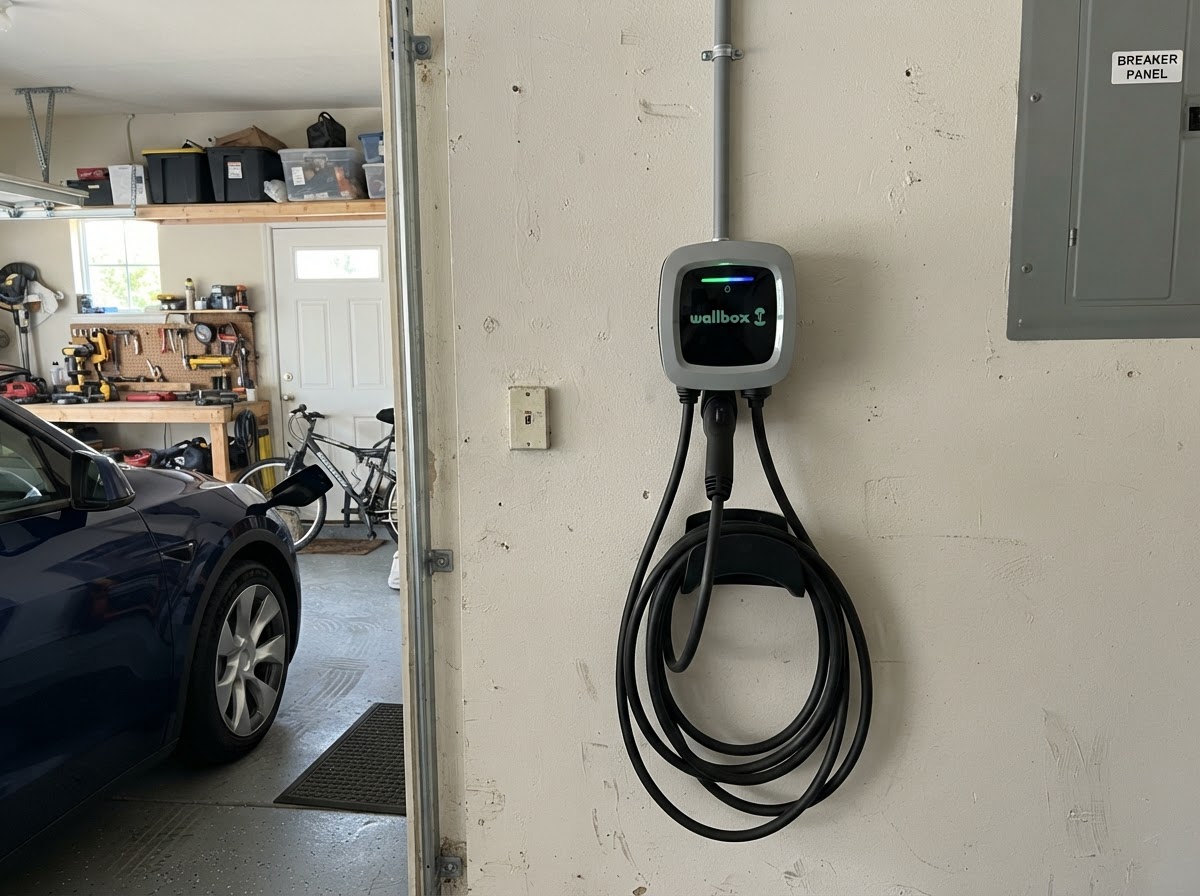
Level 2 EV Charger Installation
Faster home charging on a dedicated 240-volt circuit.
Learn more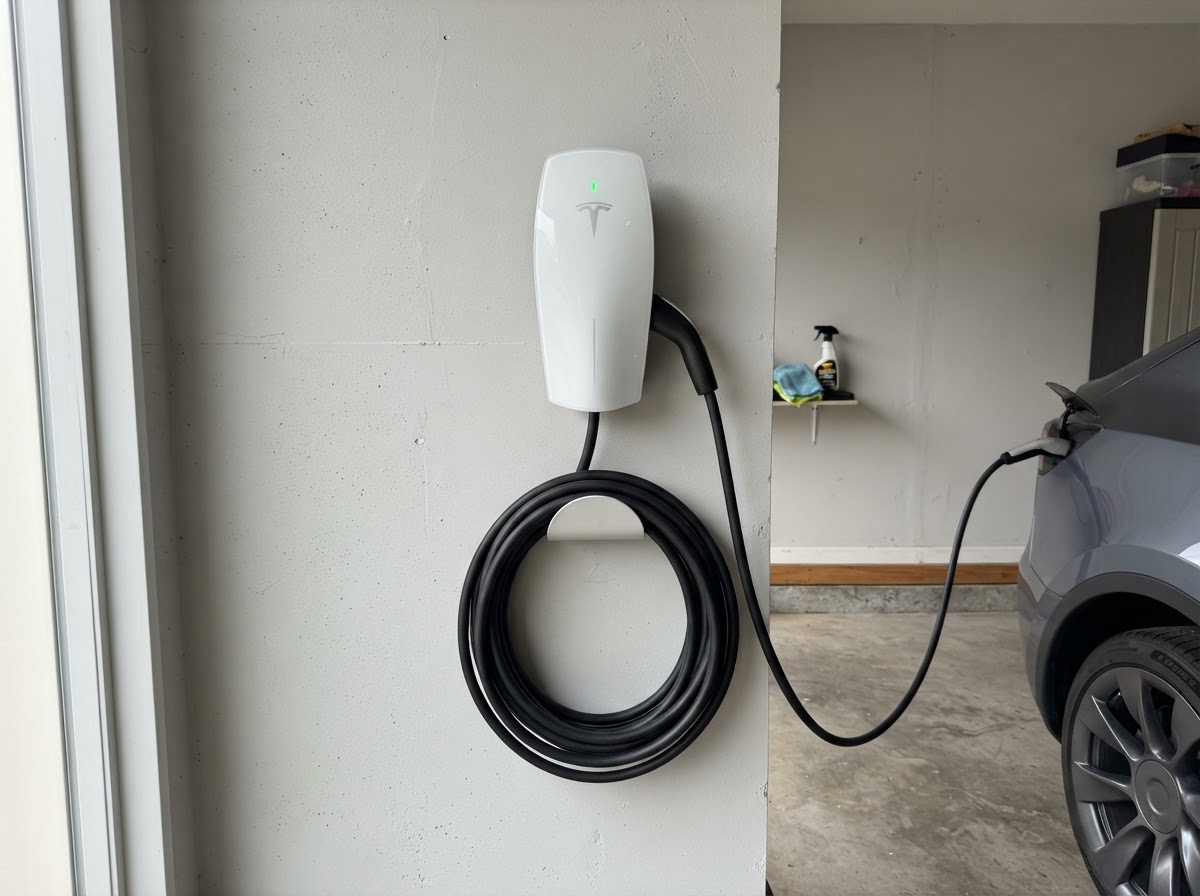
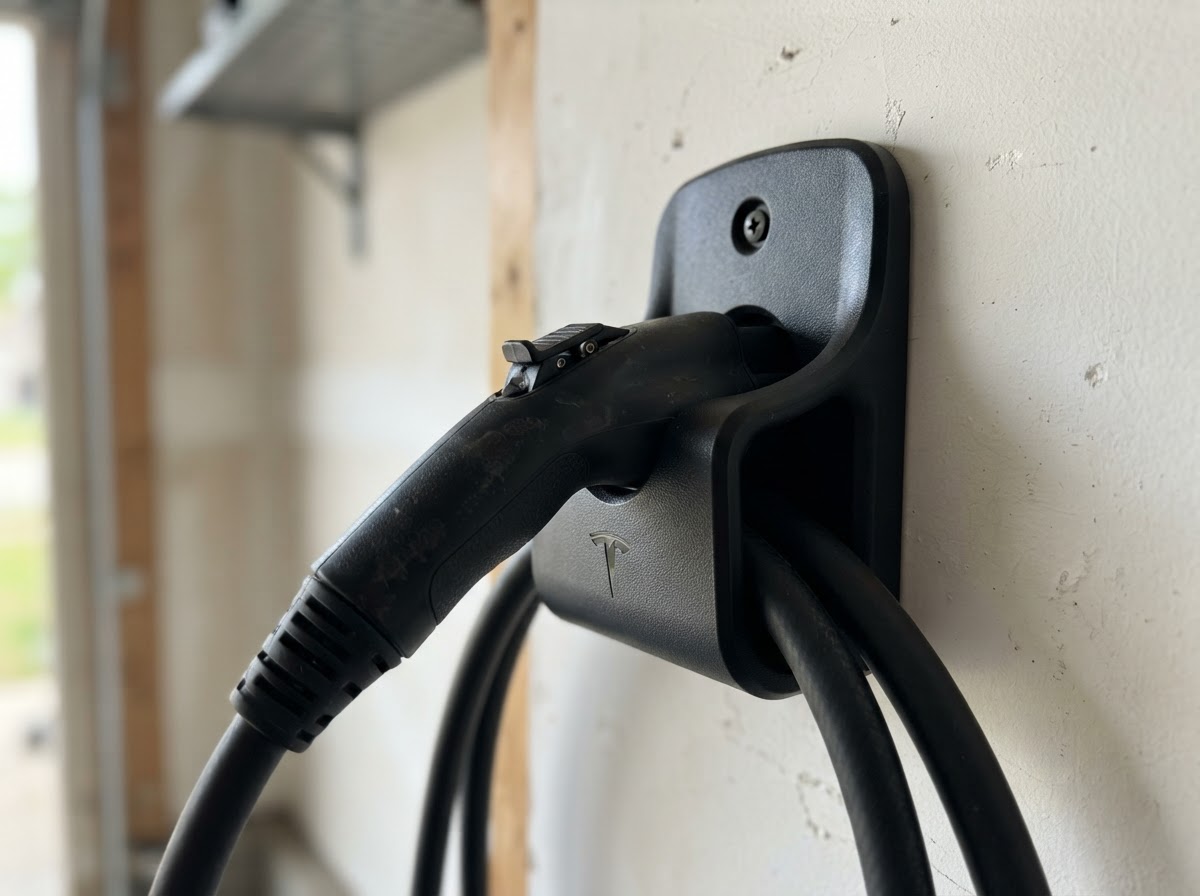
Tesla Home Charger Installation
Compatible wall-connector installation for Tesla vehicles.
Learn more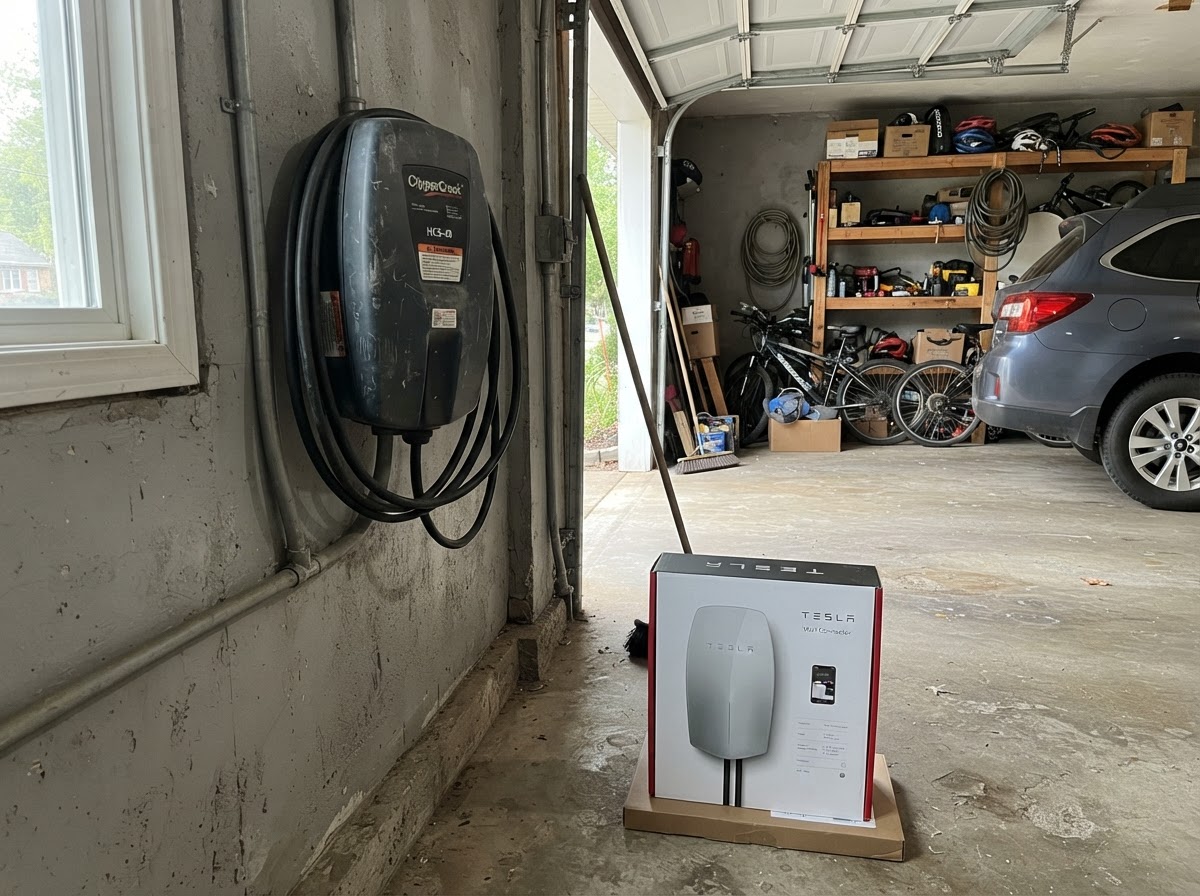
EV Charger Replacement
Updating or swapping an existing home charging unit.
Learn more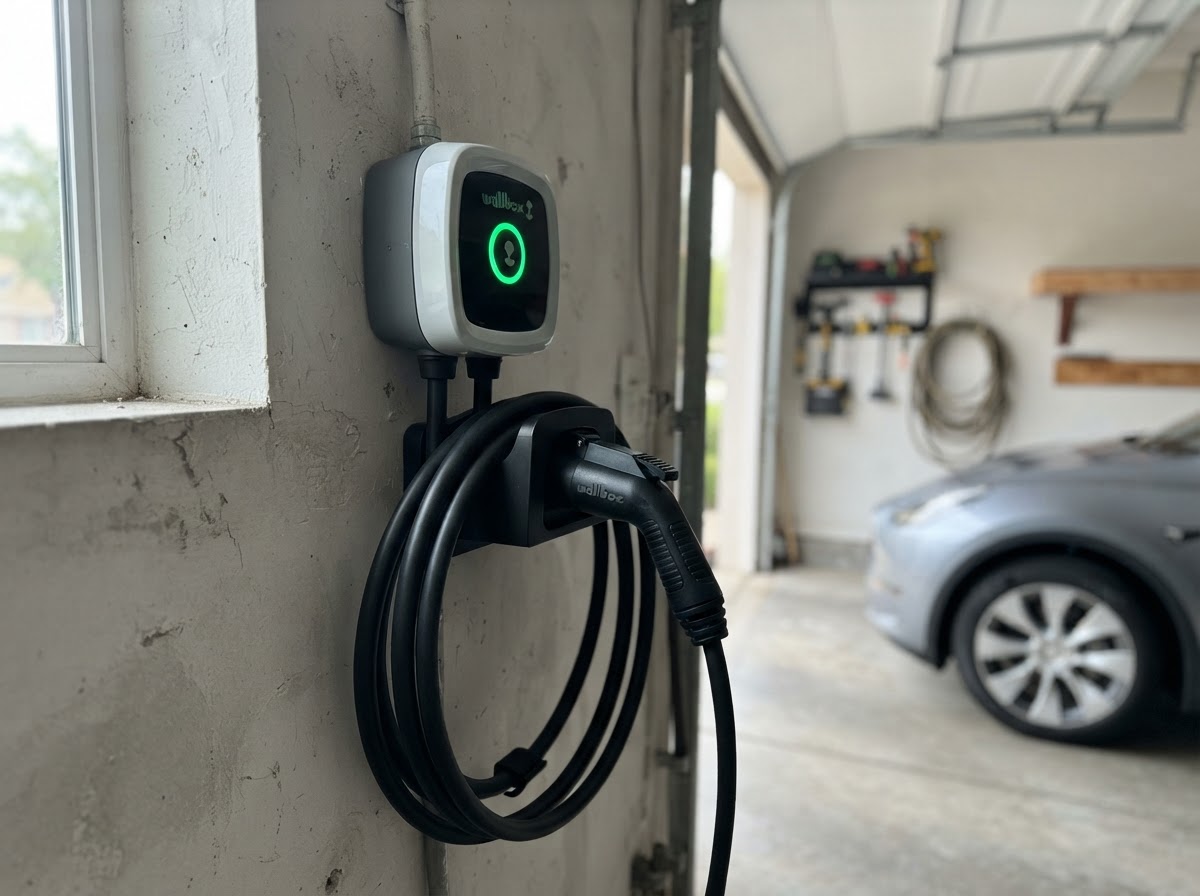
EV Charger Troubleshooting
Diagnosing charging issues and charger faults at home.
Learn more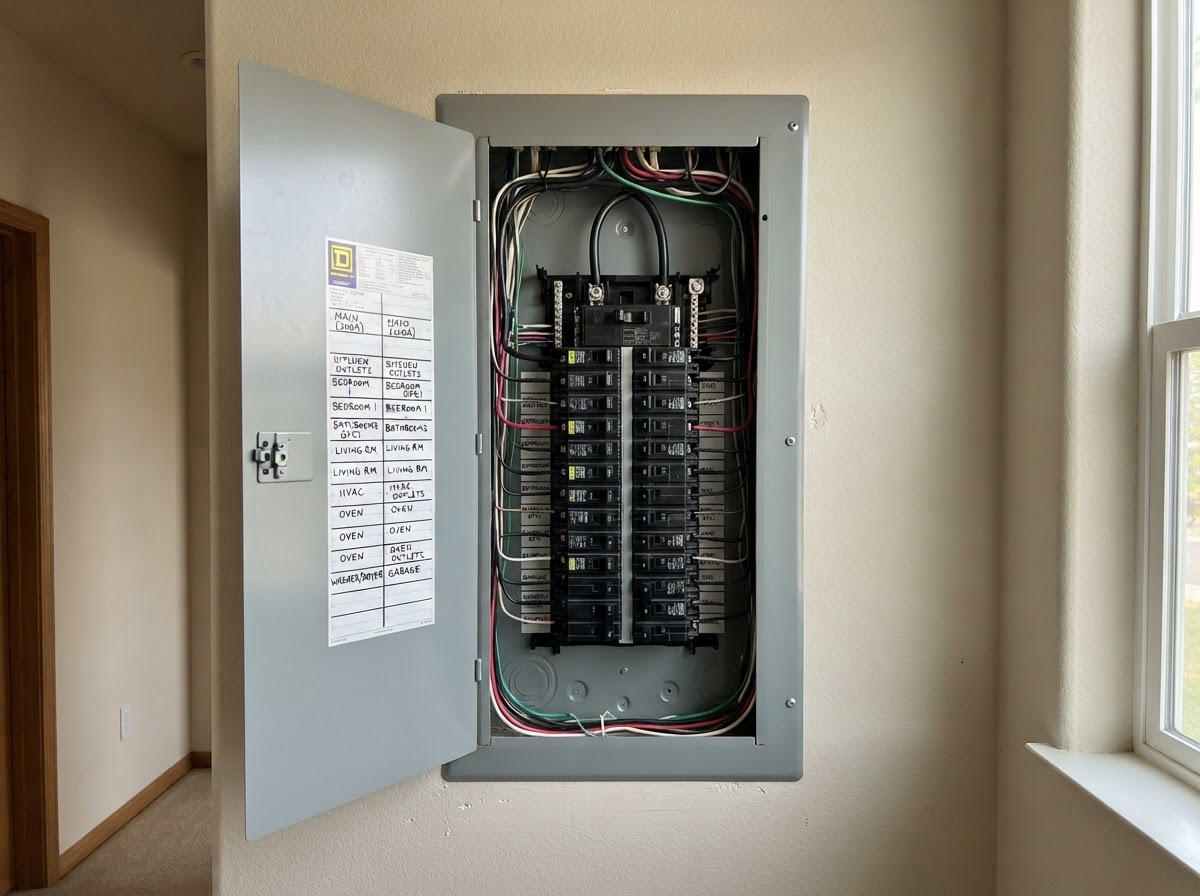
Dedicated EV Charging Circuit Installation
A dedicated circuit sized for your charger and panel.
Learn more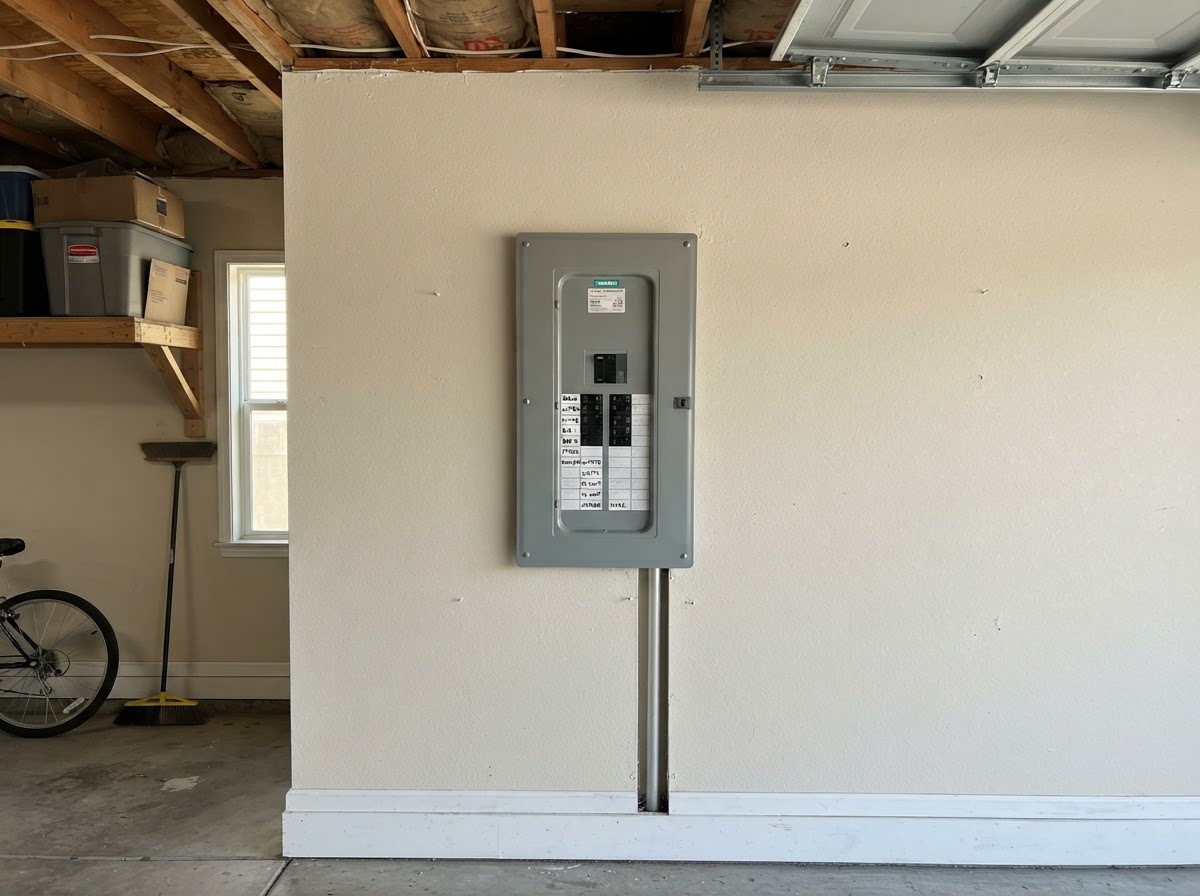
Electrical Panel Capacity Assessment
Evaluating whether your panel can support a home charger.
Learn moreResidential EV Charging Station Installation
Outdoor-rated charging stations for driveway installations.
Learn moreWhy Install an EV Charger at Home?
A dedicated home charger shifts EV charging from an errand into part of your routine.
Charging convenience
Plug in when you park and unplug when you leave. No detours, no waiting in line at a public station.
Overnight charging
Your vehicle sits idle overnight anyway. Home charging lets you wake up to a fuller battery each morning.
Less reliance on public chargers
A home charger covers the bulk of everyday driving, reducing how often you depend on shared public infrastructure.
A dedicated setup
A wall-mounted charger and a dedicated circuit give your vehicle its own charging point rather than a shared outlet.
Equipment compatibility
Choosing a charger matched to your vehicle's onboard charger and connector avoids bottlenecks and adapter workarounds.
Household electrical needs
Planning around your panel's capacity keeps the charger from competing with other household loads on the same circuit.
Understanding EV Charging Levels
Home charging usually comes down to two options. The right one depends on your vehicle, your daily driving, and your home's electrical system.
Level 1 Charging
Level 1 uses a standard 120-volt household outlet and the portable charging cord that often comes with an EV. It requires no new wiring, which makes it the simplest way to start charging at home.
Because it draws relatively little power, Level 1 adds range more slowly. It can suit drivers with short daily commutes, a plug-in hybrid, or a vehicle that sits at home for long stretches — but it is rarely enough as a sole charge for a busy daily driver.
Level 2 Charging
Level 2 uses a 240-volt circuit — the same type an oven or clothes dryer uses — and a dedicated wall-mounted charger. It delivers meaningfully more power than Level 1, so a vehicle can add substantially more range per hour depending on the charger and the vehicle's onboard charger.
A Level 2 installation typically requires a dedicated circuit and consideration of your panel's capacity. For most daily EV drivers, it is the practical home charging choice.
A Thoughtful Approach to Home EV Charging
Every home, vehicle, and electrical panel is different. We plan around the details that actually shape your installation.
Vehicle & charger compatibility
Matching the charger to your vehicle's onboard charger and connector so the setup fits the way you drive.
Proposed charger location
Where the charger mounts on the wall and how far the cable reaches the charge port where you actually park.
Electrical panel capacity
Reviewing what your panel can support today and whether there is room for a dedicated charging circuit.
Wiring & circuit requirements
Routing a dedicated 240-volt circuit, sized to the charger, from the panel to the mounting location.
Installation requirements
Wall type, clearance, mounting height, and cable management for a clean and practical install.
Codes & permits
Accounting for applicable local electrical codes and the permitting that Dallas-area residential work requires.
Home EV Charging Equipment
A residential charging setup is more than a box on a wall. These are the parts that make it work.
Wall-mounted EV charger
The fixed charging unit mounted to your garage or exterior wall that manages the connection to your vehicle.
Charging cable & connector
The cable and connector that plug into your vehicle. Length and reach matter for where you park.
Electrical panel
Your home's breaker panel supplies the circuit. Its capacity determines what charging it can support.
Dedicated charging circuit
A 240-volt circuit reserved for the charger so it does not share capacity with other household loads.
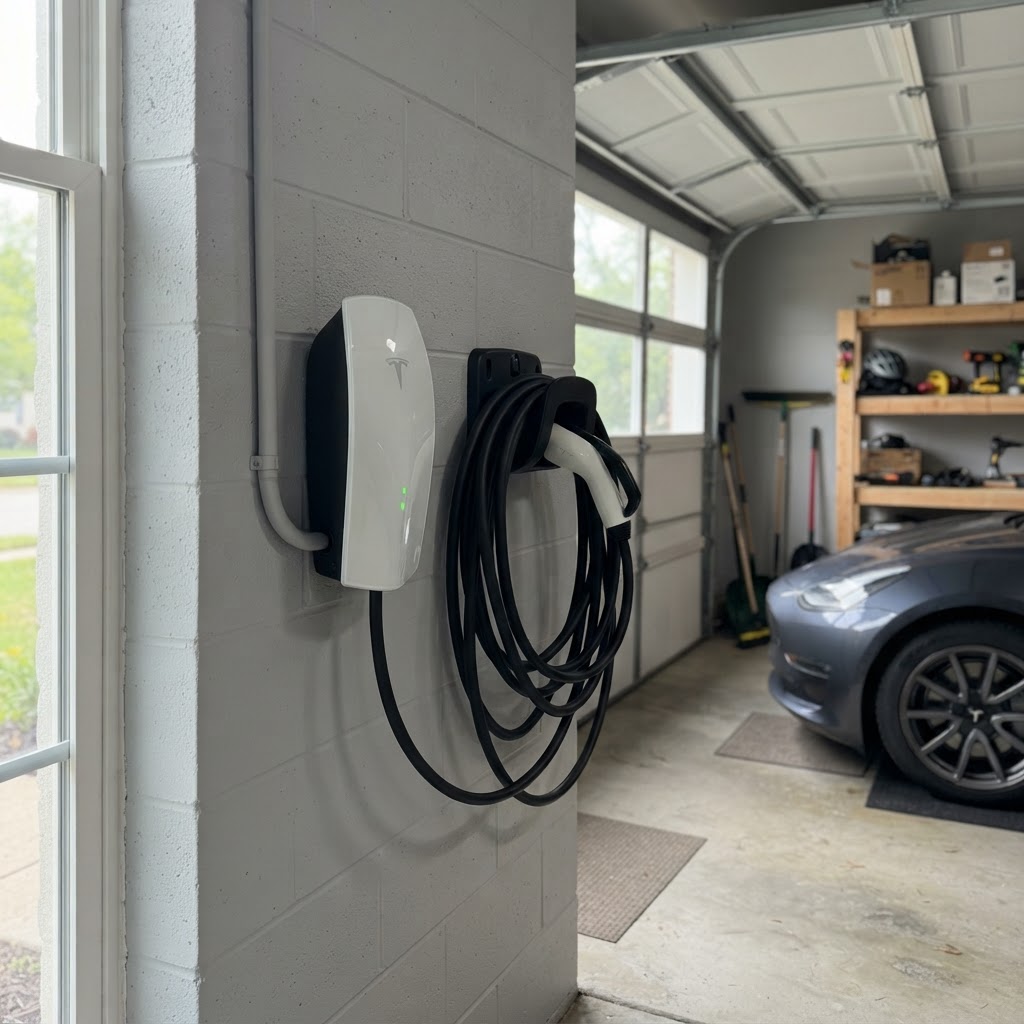
Garage charging installation
Indoor mounting that protects the charger from weather and keeps the cable tidy when not in use.
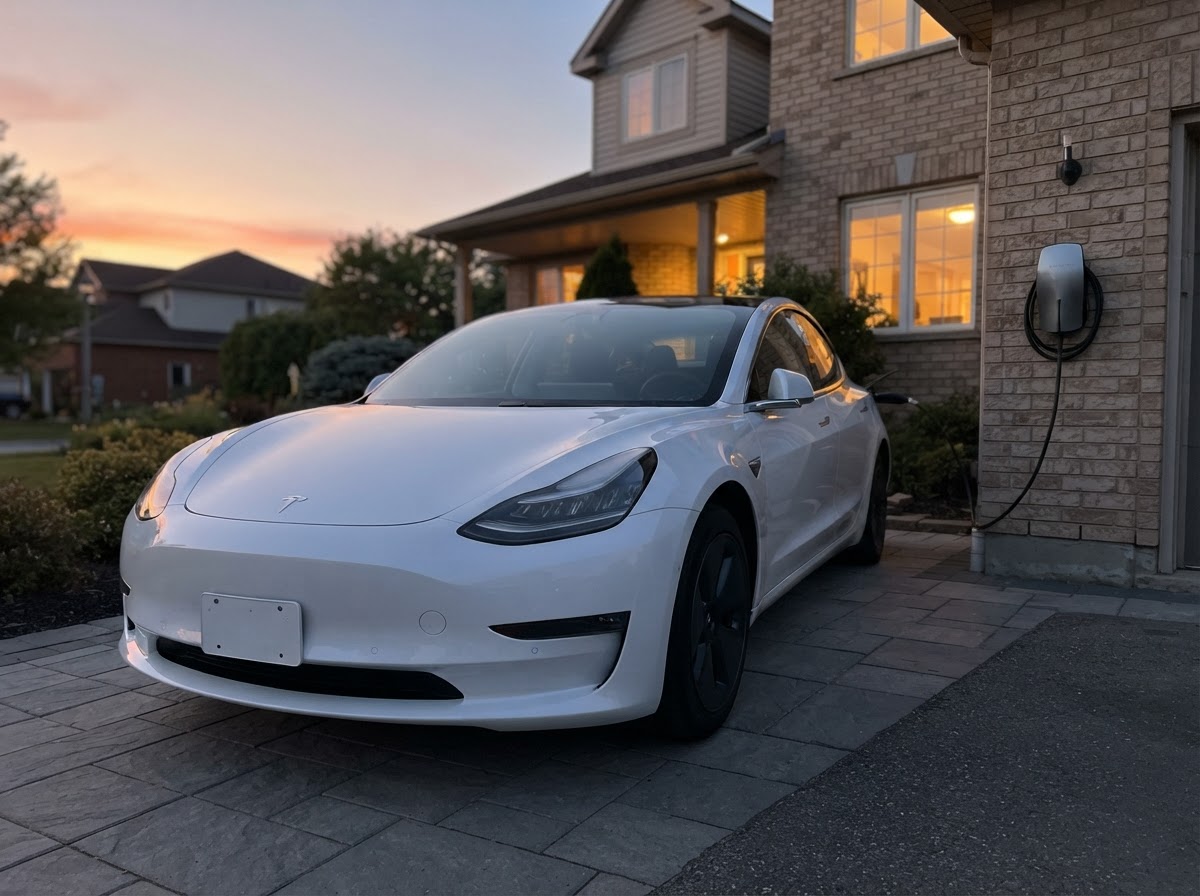
Outdoor-rated equipment
Weather-rated chargers and weatherproof conduit for driveway or exterior wall installations.
Our Installation Process
A clear path from first inquiry to a finished, reviewed installation.
Submit Your Inquiry
Tell us about your vehicle and your charging requirements through the Request Installation form.
Discuss Your Needs
Review the proposed charger location, your garage or driveway, and your electrical requirements.
Evaluate the Installation
Assess compatibility, electrical capacity, and the applicable installation and permitting requirements.
Installation & Review
Proceed with the appropriate installation and a final review of the completed setup.
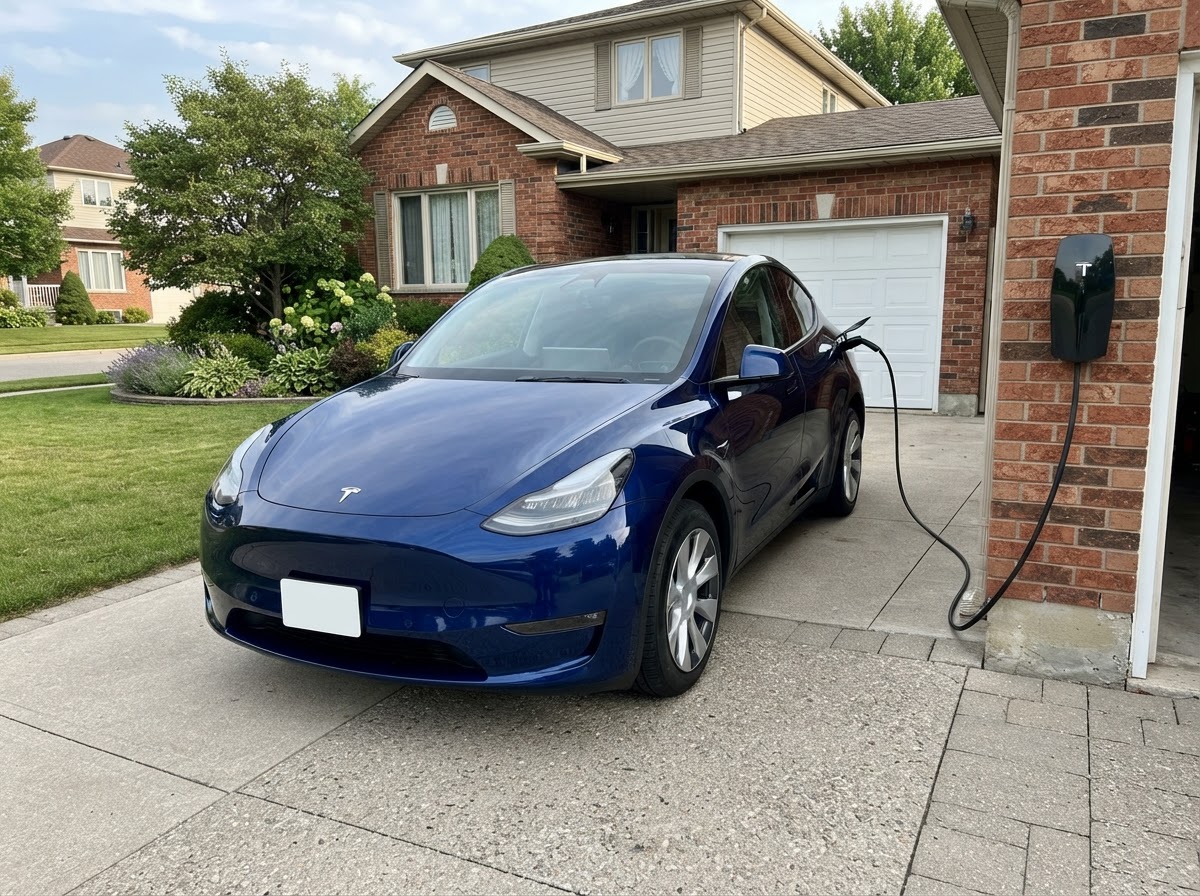
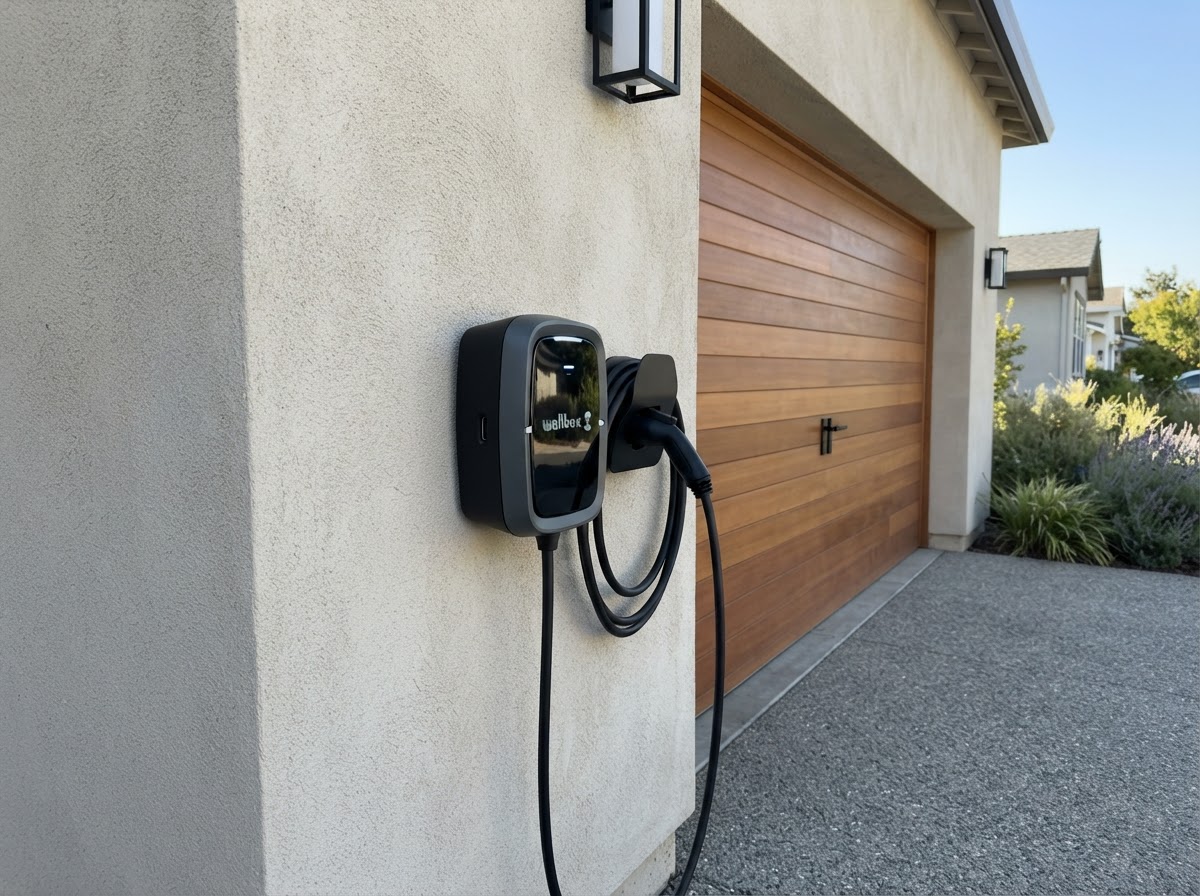
EV Charging Project Gallery
A look at residential charging setups across Dallas-area homes.
Service Areas
Residential EV charger installation focused on Dallas and surrounding communities.
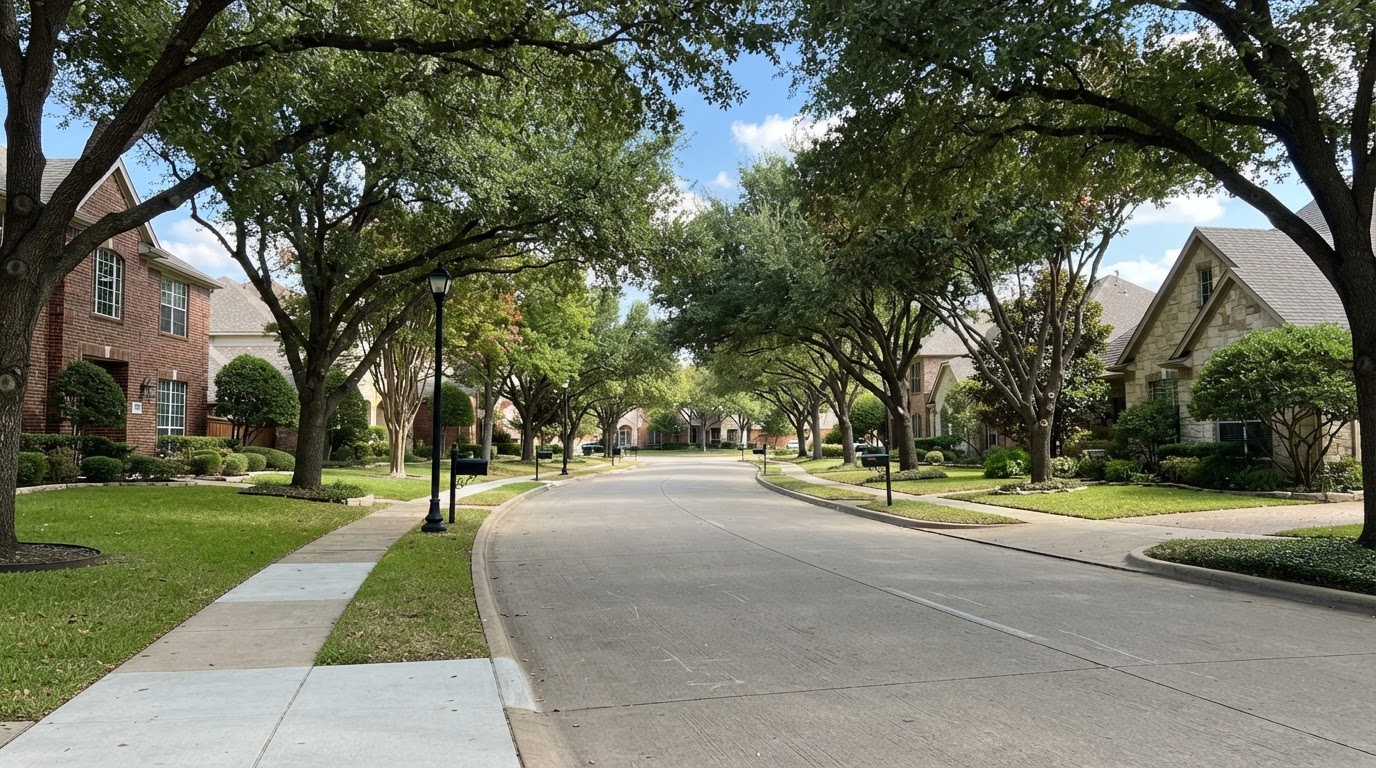
North Dallas
Mature neighborhoods and newer builds alike across North Dallas.
View Location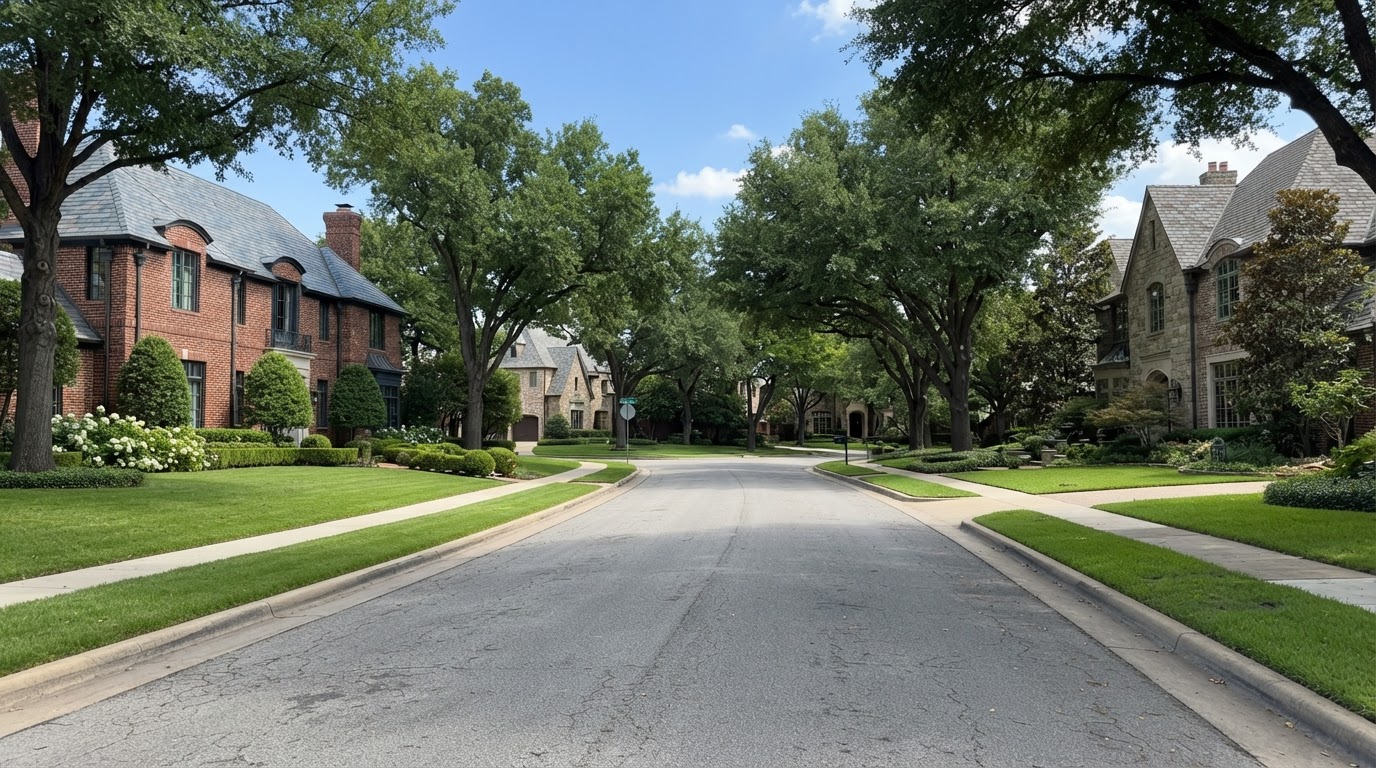
Preston Hollow
Established estates and larger lots in Preston Hollow.
View Location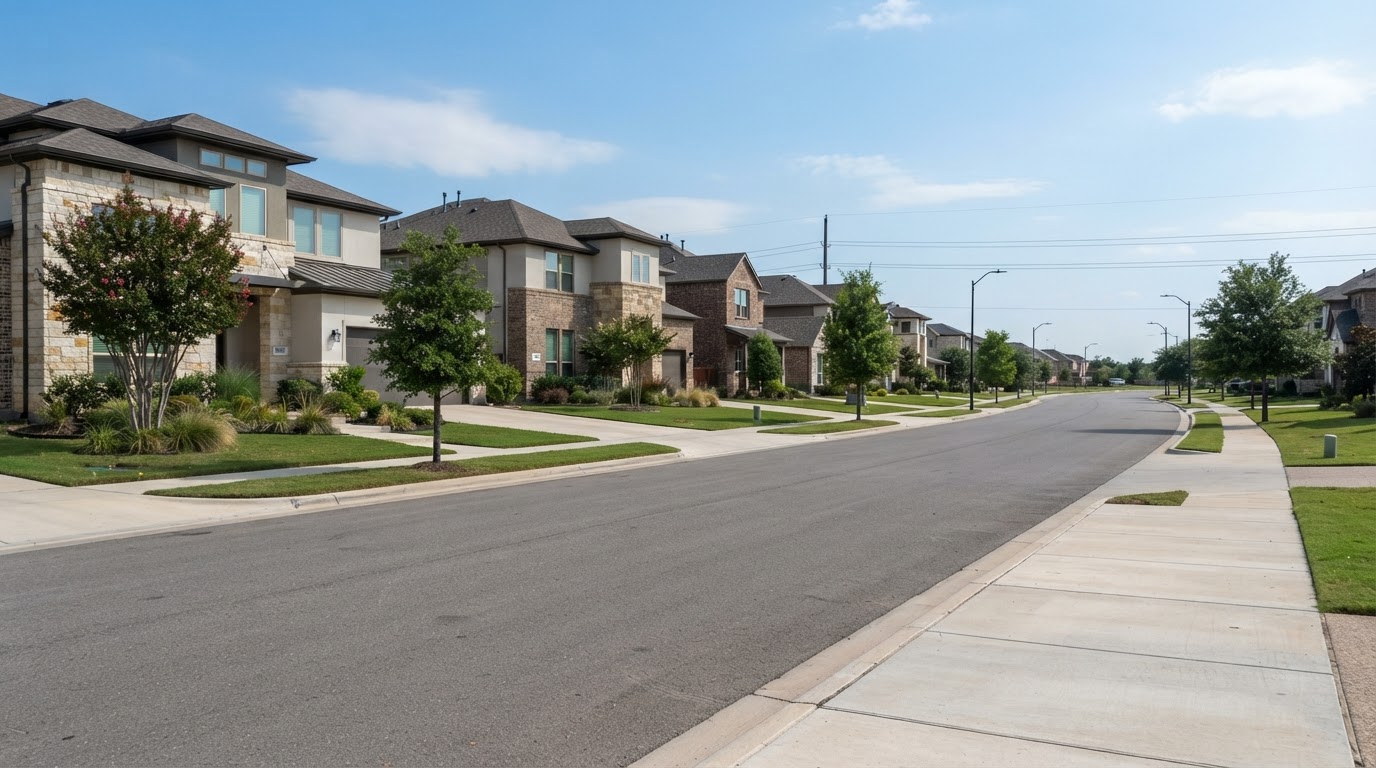
Far North Dallas
Growing residential corridors in Far North Dallas.
View Location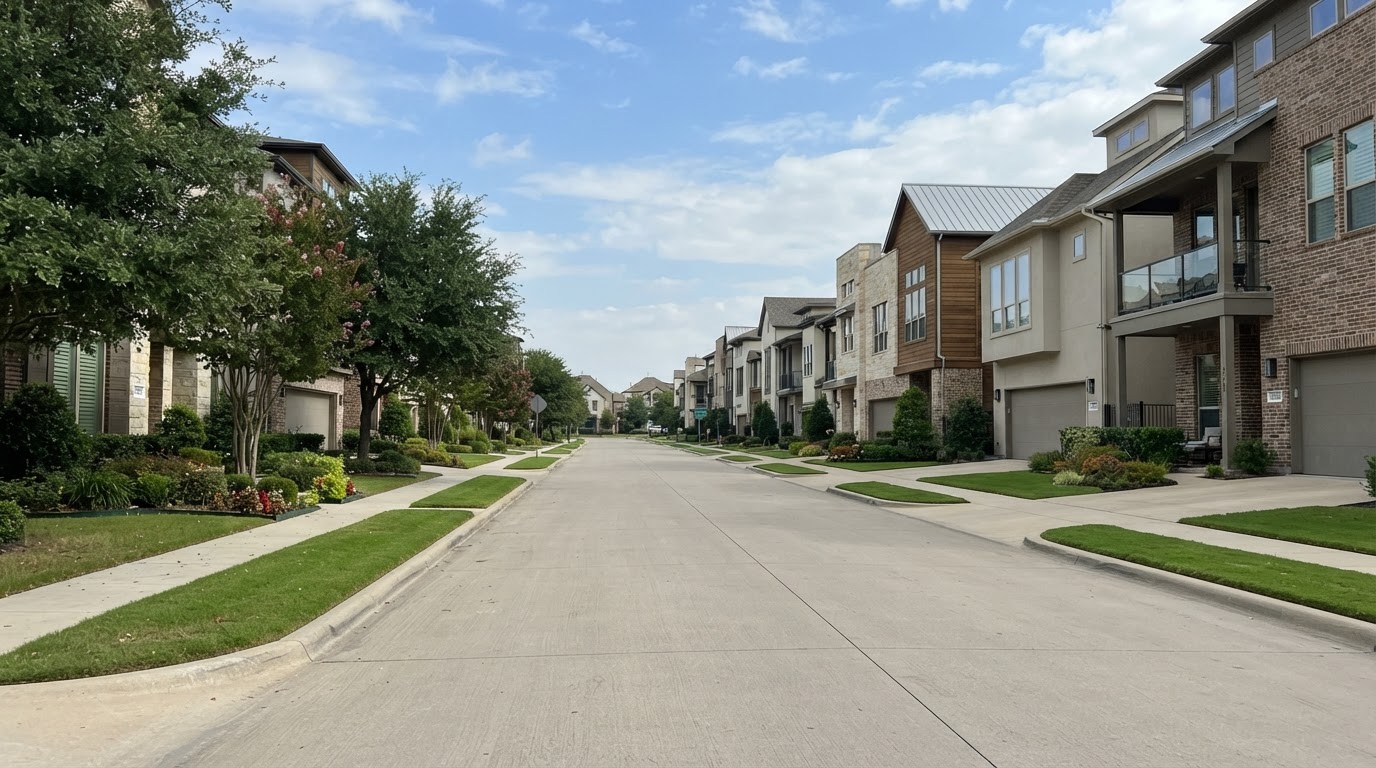
Addison
Mix of homes and townhomes across Addison.
View Location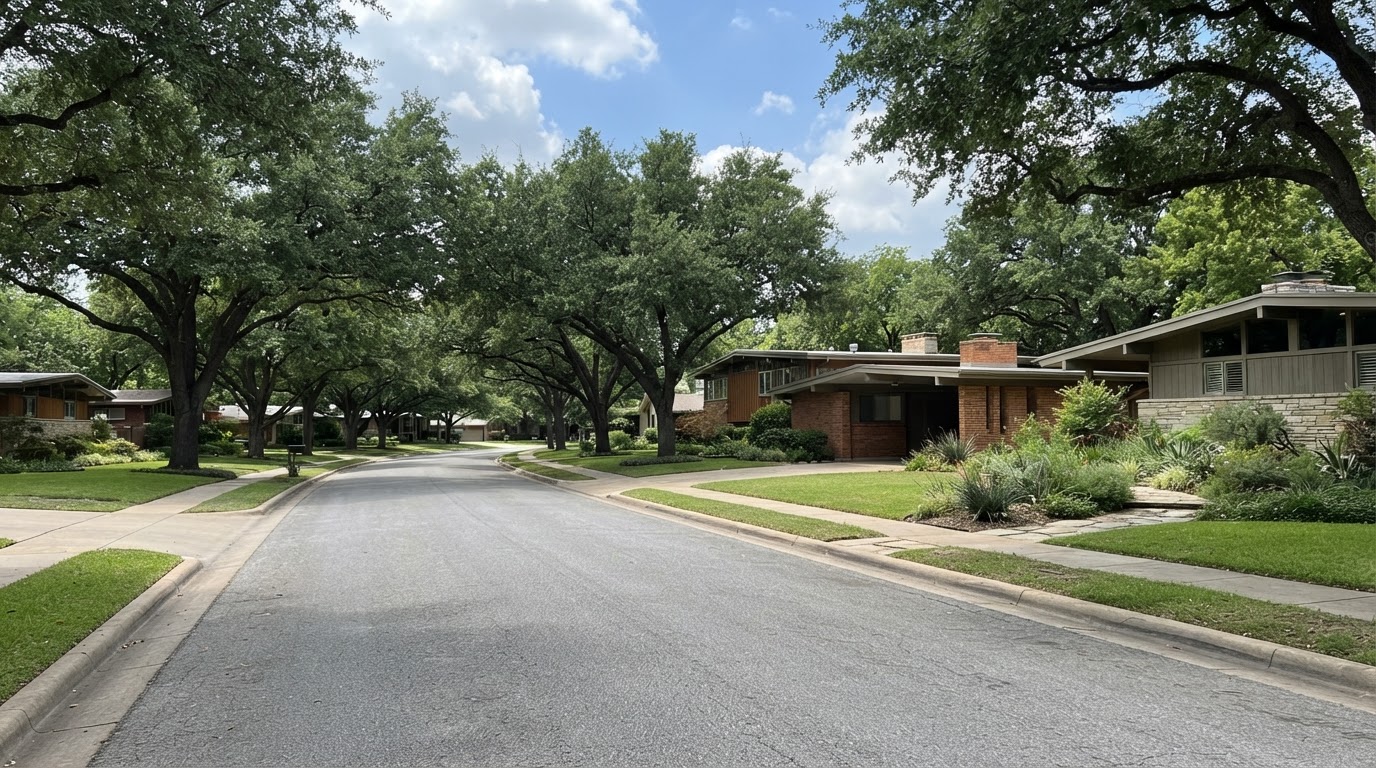
Richardson
Diverse mid-century and modern homes in Richardson.
View Location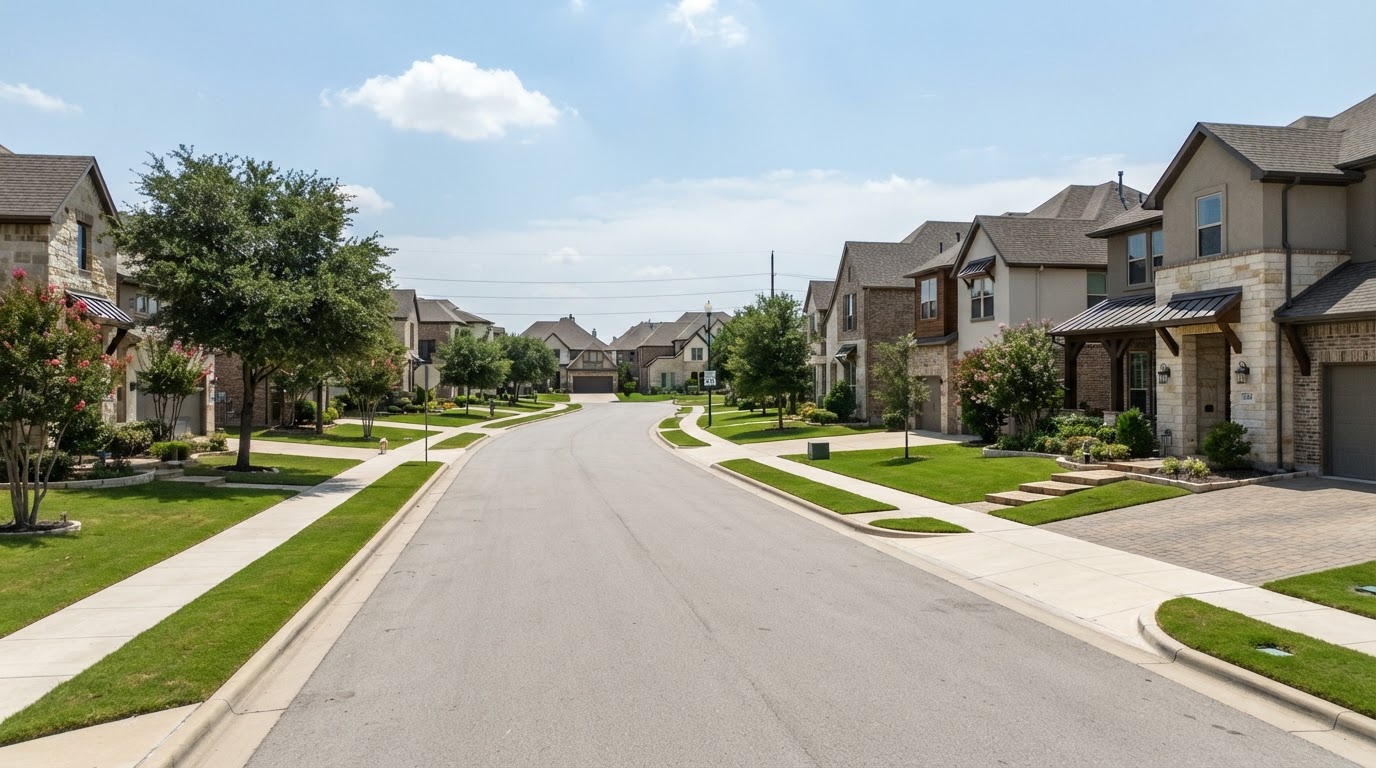
Plano
Spacious suburban homes and attached garages in Plano.
View LocationFrequently Asked Questions
Straightforward answers about home EV charging, installation, and what to expect.
Ready to Make Home EV Charging Easier?
Tell us about your electric vehicle and home charging requirements. Submit an inquiry to get started.
Serving Dallas from Preston Road
17746 Preston Rd, Dallas, TX 75252 — residential EV charger installation across the Dallas area.